
dark frosted glass
The Importance of Heavy-Duty L-Shaped Steel Brackets in Structural Applications In the realm of construction and engineering, the significance of robust and reliable structural components cannot be overstated. One such critical element is the heavy-duty L-shaped steel bracket. These brackets, characterized by their L-shaped configuration, are renowned for their ability to provide exceptional support and stability to various structures, making them indispensable in a wide range of applications. Design and Versatility Heavy-duty L-shaped steel brackets are designed to bear substantial loads while maintaining structural integrity. Their unique shape allows them to connect two surfaces at a right angle, providing a secure joint that is capable of withstanding both tension and compression forces. This versatility makes them suitable for numerous applications, including the construction of shelves, walls, furniture, and even heavy machinery. The design of these brackets is not merely functional; it also allows for ease of installation. Most heavy-duty L-shaped steel brackets come with pre-drilled holes, enabling quick and secure fastening to different materials, including wood, metal, and concrete. This adaptability means they can be used in a variety of settings, from residential homes to industrial warehouses. Material Strength and Durability The strength of heavy-duty L-shaped steel brackets predominantly comes from the quality of the materials used in their construction. Fabricated from high-strength steel, these brackets are engineered to withstand heavy loads and resist deformation. The use of galvanized or stainless steel coatings enhances their resistance to corrosion, making them suitable for outdoor applications or in environments with high humidity. heavy duty l shaped steel bracket Moreover, one of the key advantages of using heavy-duty L-shaped steel brackets is their longevity. With proper installation and maintenance, these brackets can last for many years, providing ongoing support and reliability. This durability translates to significant cost savings over time, reducing the need for frequent repairs or replacements. Applications Across Industries The application of heavy-duty L-shaped steel brackets spans various industries, reflecting their versatility and strength. In the construction industry, they are often utilized to support beams, frames, and trusses, ensuring that the entire structure maintains its integrity under load. In commercial and residential settings, these brackets are instrumental in creating open floor plans by allowing for the secure attachment of shelves or cabinetry without compromising wall strength. In the manufacturing sector, they play a crucial role in machinery assembly, providing the necessary support for heavy equipment and tools. Their reliability ensures safety in environments where heavy materials are handled daily. Additionally, heavy-duty L-shaped steel brackets are commonly used in automotive applications, supporting vehicle structures or holding components in place. Conclusion In conclusion, heavy-duty L-shaped steel brackets are a vital component in modern construction and engineering. Their robust design, coupled with the strength and durability of the materials they are made from, make them an ideal choice for a wide range of applications. From supporting architectural structures to enhancing the safety of machinery, these brackets offer unparalleled support and versatility. Investing in quality heavy-duty L-shaped steel brackets is a wise decision for anyone involved in building or engineering projects. By choosing these essential components, engineers and builders can ensure that their structures are not only functional but also safe and long-lasting. As the demand for innovative and reliable construction solutions continues to grow, the role of heavy-duty L-shaped steel brackets will undoubtedly remain significant in shaping the future of structural design.
about
dark frosted glass
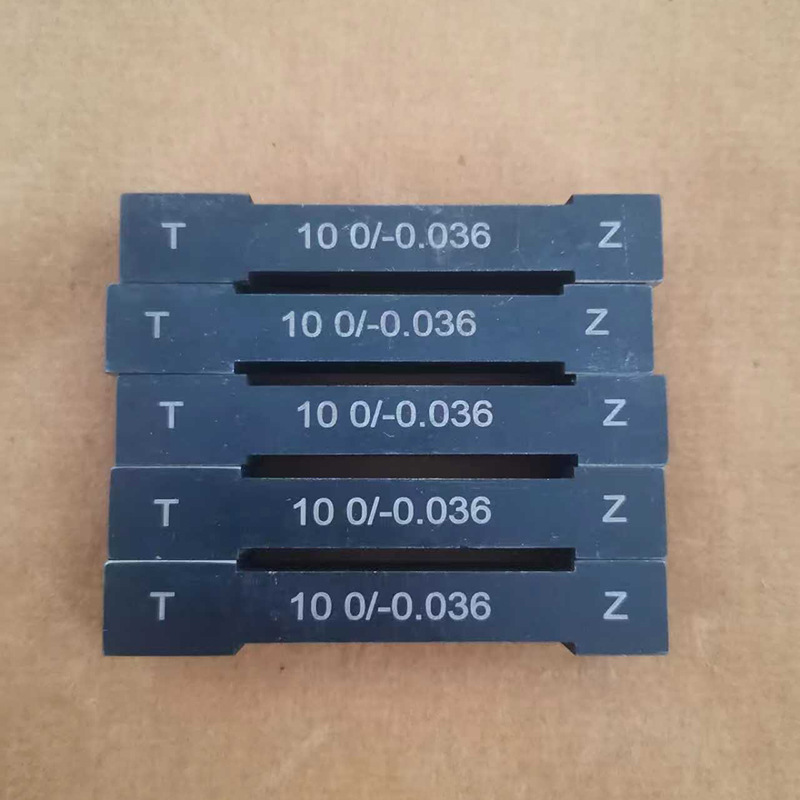
Exploring the Snap Gauge Micrometer A Precision Measurement Tool The world of precision engineering relies heavily on accurate measurements, and one of the unsung heroes in this domain is the snap gauge micrometer. This innovative tool combines the straightforwardness of a basic gauge with the precision of a micrometer, making it essential for various applications across manufacturing and quality control processes. At its core, a snap gauge micrometer is designed to measure the external dimensions of an object with remarkable accuracy. Unlike traditional calipers that can be prone to read errors, snap gauges have a fixed measuring point that allows for consistent and repeatable results. The snap gauge typically consists of two parallel measuring faces set a specific distance apart, which can be adjusted or fixed depending on the design. This feature ensures precision measurements within a defined tolerance range. One of the main advantages of snap gauge micrometers is their ease of use. Operators can take measurements quickly, making them ideal for high-volume production environments where efficiency is crucial . The design of a snap gauge allows it to 'snap' onto the workpiece, providing a clear indication of whether the item is within specified tolerances without the need for extensive calibration or setup. This can significantly reduce the likelihood of human error in measurement and improve overall productivity in a manufacturing workflow. snap gauge micrometer The material of the snap gauge micrometer also plays a vital role in its functionality. Typically crafted from high-quality steel or stainless steel, these tools are designed to resist wear, corrosion, and environmental factors that could impact their accuracy. Some models even come with a wear-resistant coating to enhance durability, ensuring that they can withstand the rigors of daily use in various industrial settings. Another noteworthy aspect of snap gauge micrometers is their versatility. They can be used for a wide range of applications, including measuring diameters, thicknesses, and even the depth of slots or grooves. This flexibility makes them an invaluable tool for engineers and quality control inspectors who constantly need to measure different components in their work. In addition to their practical applications, combining a snap gauge with digital readouts can further enhance their precision and ease of use. Digital snap gauges provide operators with immediate and clear measurement readings, minimizing the chance of misinterpretation and streamlining the inspection process. In summary, snap gauge micrometers represent a critical tool in the arsenal of precision measurement devices. Their combination of accuracy, simplicity, and versatility makes them ideal for a wide range of manufacturing applications. By employing snap gauge micrometers in quality control processes, organizations can ensure that they maintain high standards for product specifications, ultimately leading to better products and increased customer satisfaction. In the evolving landscape of manufacturing, embracing tools that enhance accuracy and efficiency, like the snap gauge micrometer, remains a key strategy for success.
-

High quality industrial productsagement

High quality industrial products
View Details -

Meet the diverse needs of customers

Meet the diverse needs of customers
View Details -

Strict quality control

Strict quality control
View Details -

Top raw materials

Top raw materials
View Details -

Trusted supplier

Trusted supplier
View Details
Our application


news and information
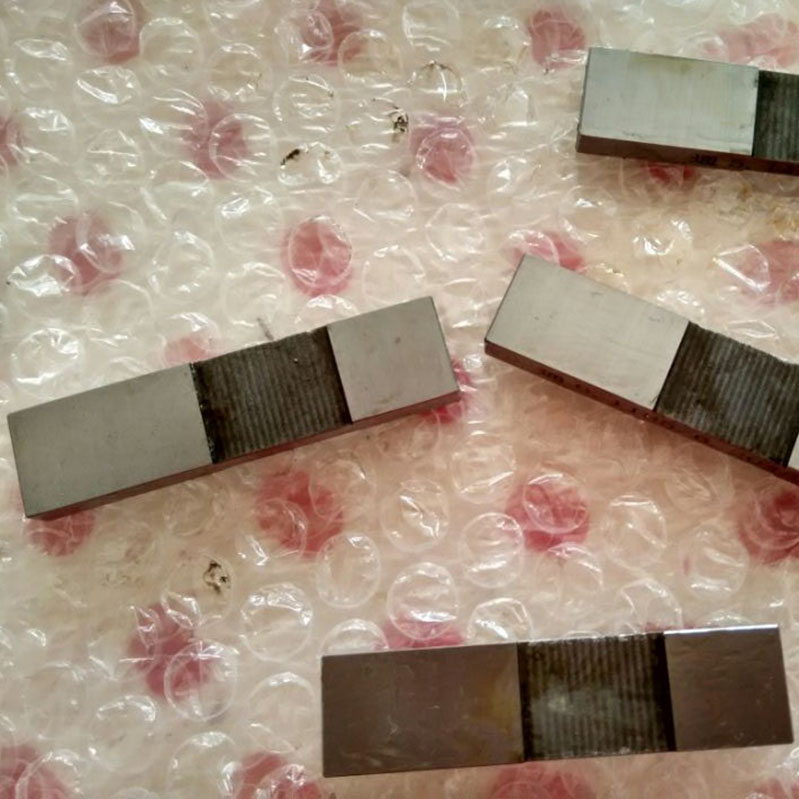
Using stamped truss nails for plate connection.
The Significance of Stamping in Truss Nail Plate Technology In the realm of construction and woodwo
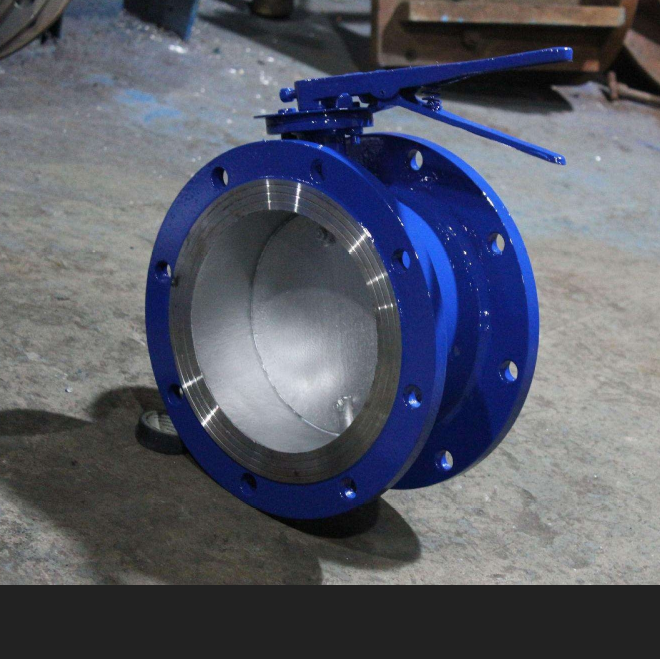
Y-type filter_ a mechanical tool to improve filtration efficiency
As a common filtration equipment, Y filter is widely used in various industries. With its unique des
welding table supplier
Finding the Right Welding Table Supplier A Guide for Professionals Welding is an essential process i
 English